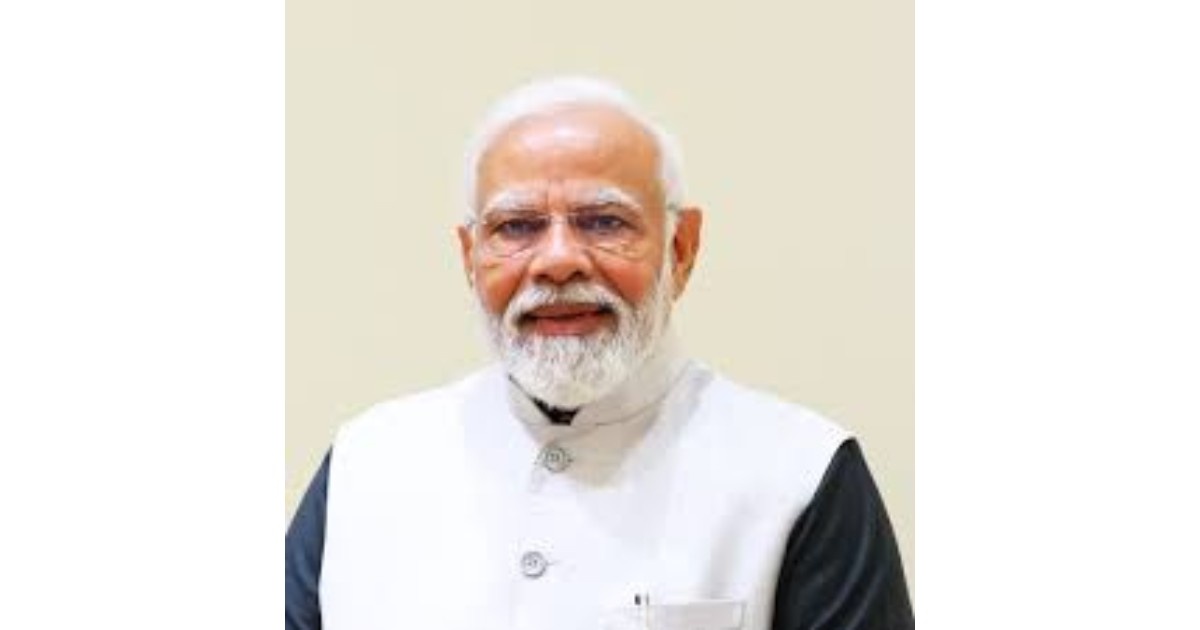
New Delhi, March 30: Narendra Modi on Monday held a virtual interaction with grassroots workers of the Bharatiya Janata Party (BJP) in Assam, urging them to intensify efforts ahead of the upcoming state elections. The interaction, conducted through the NaMo App as part of the ‘Mera Booth Sabse Mazboot’ initiative, focused on electoral strategy, governance achievements, and concerns related to illegal infiltration.
The Prime Minister’s outreach comes at a crucial time, as political parties step up campaigning across Assam, where issues such as development, identity, and security remain central to voter discourse.
Key Highlights of the Interaction
Addressing booth-level workers, Modi emphasised the importance of grassroots mobilisation in securing electoral success. He called on party members to work towards ensuring a third consecutive victory for the BJP-led National Democratic Alliance (NDA) in the state.
He praised the dedication of party workers, noting their dual role in managing election activities while preparing for the upcoming Bohag Bihu celebrations.
The interaction also allowed workers from districts such as Sonitpur, Tamulpur, Nagaon, Karbi Anglong, and Tinsukia to share their on-ground experiences and feedback.
Focus on Development Narrative
During the dialogue, Modi highlighted what he described as a shift in Assam’s trajectory over the past decade. He said the state had moved from a period marked by instability and militancy to one characterised by improved peace and development.
He referred to multiple peace agreements signed in recent years, stating that these had contributed to a more stable environment conducive to economic growth and social progress.
Workers participating in the session pointed to improvements in areas such as farmer livelihoods and regional stability, particularly in regions like Bodoland, which has seen a transition from periods of unrest to relative normalcy.
Infiltration as a Key Political Issue
A significant portion of the Prime Minister’s address focused on illegal infiltration, which he described as a serious concern for Assam.
He argued that unchecked infiltration could impact the state’s identity, security, and socio-economic balance. The Prime Minister also criticised opposition parties, alleging that they have taken a lenient stance on the issue.
The remarks reflect the continued prominence of migration-related concerns in Assam’s political landscape, where the issue has historically influenced electoral debates and policy decisions.
Guidance to Booth Workers
Modi provided specific suggestions to party workers on engaging with voters, particularly first-time voters aged between 18 and 22 years.
He advised workers to inform younger voters—who have largely experienced a period of relative peace—about the state’s past challenges, including violence and instability. Suggested outreach methods included community events such as cultural programmes, discussions on government schemes, and local gatherings.
The Prime Minister also encouraged workers to use digital tools and social media platforms to amplify outreach, including sharing short videos highlighting beneficiaries of government initiatives.
Highlighting Welfare Schemes
During the interaction, Modi referred to key welfare initiatives aimed at improving livelihoods in Assam.
These included schemes such as Orunodoi Scheme (often referred to as Arunodoy Yojana) and Lakhpati Didi Scheme, which focus on financial support and economic empowerment of women.
He urged workers to connect with beneficiaries of these programmes and use their experiences to communicate the impact of government policies to a wider audience.
Role of Women and Community Mobilisation
The Prime Minister also highlighted the role of women in electoral participation, encouraging them to ensure that all eligible members of their families cast their votes.
He stressed that higher voter turnout is critical to strengthening democratic processes and achieving electoral goals.
In addition, workers were advised to identify beneficiaries of government schemes and organise them into local support groups, potentially enhancing voter engagement.
Ground-Level Feedback from Workers
Party workers shared insights from their respective regions during the session.
Representatives from tea garden areas spoke about land rights initiatives, describing them as a step towards long-term socio-economic security for workers.
Participants from Karbi Anglong and other districts raised concerns about issues such as land encroachment and demographic changes, reflecting local challenges that continue to shape political discussions.
Political Context and Electoral Strategy
The interaction forms part of the BJP’s broader campaign strategy, which places significant emphasis on booth-level organisation. The ‘Mera Booth Sabse Mazboot’ programme aims to strengthen grassroots networks, ensuring direct engagement with voters.
Assam remains a politically significant state in the Northeast, and electoral outcomes here often influence regional dynamics. As a result, national leaders have been actively involved in campaigning efforts.
The focus on both development and security-related issues indicates a dual-pronged approach aimed at appealing to diverse voter concerns.
Public Impact and Voter Perspective
For voters in Assam, the issues raised during the interaction—such as development, welfare schemes, and migration—are closely linked to everyday life.
Improved infrastructure, access to welfare benefits, and employment opportunities are key considerations for many residents. At the same time, concerns about identity and resource allocation continue to influence public opinion.
The emphasis on youth engagement also reflects the growing importance of first-time voters, who represent a significant segment of the electorate.
Market and Governance Implications
Political messaging around development and stability can have broader implications for governance and investment in the region.
A stable political environment is often seen as conducive to economic growth, attracting investment and enabling long-term planning. Initiatives highlighted during the interaction may play a role in shaping policy priorities in the future.
Outlook Ahead
The virtual interaction by Narendra Modi underscores the BJP’s focus on strengthening its grassroots network ahead of the Assam elections.
With a combination of development messaging and emphasis on security concerns, the party appears to be consolidating its campaign narrative.
As the election approaches, further engagements between national leaders and local workers are expected, with the aim of translating organisational strength into electoral outcomes.
Inputs & Images: Hindusthan Samachar
Edited By: Akshaya Polepalli
Also Read: A. Revanth Reddy Launches ₹351 Crore Expansion Project at Sri Seetharamachandra Swamy Temple